May 15, 2026
CREATING WHEN THE MIND RESISTS
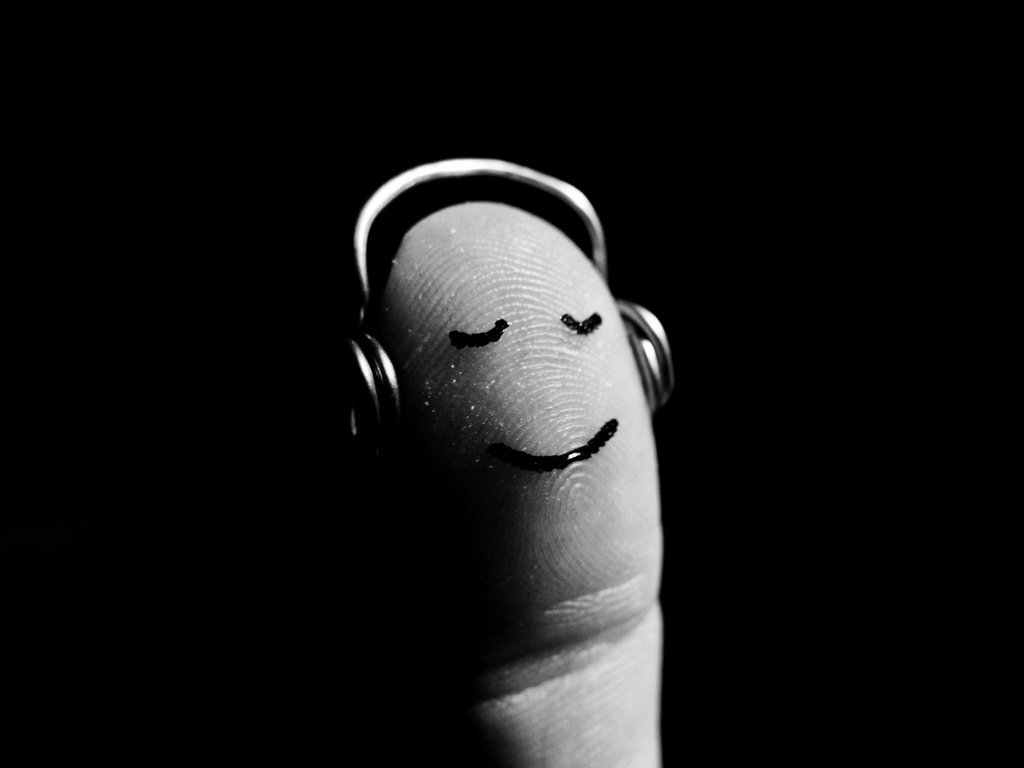
Photo by Thought Catalog on Unsplash - Image by Val Marion
Creating when everything is going well is relatively simple. The momentum is there, ideas flow, the gesture follows. Creating when things are not going well is of a different nature. It means sitting with something we did not choose. A fatigue, a tension, a sadness. Sometimes even a void. And despite that, trying not to let everything freeze inside…
- Productive suffering -
We often hear that suffering makes us creative. That is inaccurate, or at least incomplete.
Suffering can open certain things, but it can just as easily close them. It is not a reliable engine.
Forcing oneself to create at all costs, turning every pain into something usable, eventually becomes exhausting. Creating under these conditions is not about capitalising on what hurts. It is about maintaining a connection, even a fragile one, with oneself.
This does not mean that writing about what hurts has no cathartic value. But doing it in the very moment it happens is not necessarily therapeutic.
- Transforming without betraying -
Creating generally requires a form of availability : energy, clarity, a minimum level of stability. When these elements disappear, creation becomes more difficult, yet the need for it may grow stronger.
During these periods, the logic of creation changes. It is no longer about producing a finished work, nor even structuring an idea. It is about preserving a connection with what remains alive within.
The first obstacle is often mental. There is a fear of betraying what one feels. Of simplifying it, making it acceptable, distorting it. So, we hold back, we wait for a « good » idea, a more accurate or « beautiful » form, an energy that does not come. But waiting often prolongs the block.
The entry point into creation must then shift. Creating is not about embellishing, but about translating. Not always faithfully, but always sincerely. It no longer comes from inspiration, but from minimal action. Sometimes an emotion becomes a metaphor or a silence. Sometimes it becomes just a note held a little too long. And that is enough.
- Creating without energy -
There are days when even sitting down requires effort. In those cases, the rules must change.
Create small. Create slowly. Create without immediate demands for coherence or quality. Writing a few words without a specific goal. Play a sequence of chords without trying to build something. Record a voice for 20 seconds, even if it feels fragile. These gestures are not meant to produce something usable. They reactivate a process.
What is produced may be incomplete, clumsy, unstable. This is not a deviation or a failure. It is a direct consequence of the state in which the creation occurs. And sometimes, these fragments later will become more complete forms.
- Exposing oneself from within -
Creating in a difficult moment raises an implicit question : Should the emotion be expressed as it is, or transformed?
In reality, this opposition is less clear-cut than it seems. Creation does not reproduce emotion; it offers it a form. This form is often less controlled, less polished, but more accurate.
There is something particular about creations born from difficult moments. It is no longer about impressing. It is about saying. And sometimes, what we create in those moments becomes what resonates the most. Not because it is perfect, but because it is alive.
- Recognising limits -
It is important to acknowledge that creating is not always possible.
There are times when the state is too degraded to allow even minimal engagement. In such situations, the absence of creation is a real limit. Forcing beyond that point can become counterproductive, even harmful.
Creating when things are « not going well » does not necessarily heal. But it can introduce movement, however slight, into a state that tends to freeze. And sometimes, that movement is enough to maintain an essential connection : the one that allows us to return to it later.
Conclusions
Creating does not solve everything, nor does it exorcise everything. But it leaves a trace. Proof that a part of us continues, despite inertia, pain, or resistance. Not always strong. Not always stable. But very much present. And that is the very essence of a future creation.
It modifies internal states, regulates certain tensions, and offers support when everything else is no longer enough.
It does not resolve a situation. It does not provide concrete answers. But it operates on another level : that of inner rhythm.
Music replaces nothing. But it accompanies almost everything.
What do you think?
